Looking for Boating While Intoxicated Defense Lawyers in Hearne Texas?
Rely Upon The Expertise of Gustitis Law
Dial 979-701-2915 For A Complimentary First Meeting!
Dealing with offenses for drug-related crimes or drunk driving can be a daunting and transformative experience in Hearne Texas. These accusations can carry serious penalties, including jail time, significant fines, loss of driving privileges, and a long-term legal record.
Beyond the immediate impacts, such convictions can affect your long-term job prospects, residential opportunities, and even social connections.
When your liberty and long-term prospects are at risk, it is essential to obtain skilled Boating While Intoxicated Defense Lawyers that can manage the complexities of the court process and create a solid defense on your behalf.
At Gustitis Law, we focus on defending clients accused with drug offenses and driving while intoxicated. Our team of skilled attorneys is dedicated to providing aggressive representation and personalized legal strategies to protect your freedom.
Gustitis Law has a proven track record of successfully safeguarding defendants in Hearne Texas against allegations covering simple substance possession to more serious offenses such as drug trafficking or major offense drunk driving.
Fighting Drug Violations in Hearne Texas
Narcotics-related charges in Hearne Texas can range significantly in seriousness, from low-level possession offenses to large-scale narcotics distribution matters. In any situation, the impacts can be severe without a strong representation by Boating While Intoxicated Defense Lawyers. The lawyers at Gustitis Law manage a wide range of drug accusations, including:
- Drug Possession - Whether it is marijuana, legal medications, powdered drugs, or stronger drugs, our lawyers have the experience to challenge the proof and fight for your case.
- Narcotics Supply - These serious accusations often cause significant incarceration. We recognize the severe consequences involved and are ready to build a robust legal strategy to safeguard your freedom.
- Ownership with Distribution Intent: The prosecution will often attempt to raise minor possession cases if bulk quantities of drugs are discovered. We challenge to verify the evidence is analyzed completely and question any presumptions about distribution intent.
With substance-related legislation constantly evolving, you need a legal expert who is informed with legal changes and is familiar with the complexities of local narcotics laws – you need Gustitis Law. We endeavor carefully to seek dropped charges, lowered charges, and different sentences to defend your long-term prospects.
Complete Defense Against DWI for Hearne Texas Individuals
Driving while intoxicated is a significant legal violation in Hearne Texas that can have significant effects. Punishments for driving while intoxicated in Texas include monetary sanctions, prison sentences, court-mandated service, mandatory alcohol education programs, and revocation of license.
A DWI criminal record can also result in elevated insurance policy costs and in some situations, you could face serious criminal charges if there are worsening circumstances like repeat offenses or harm caused by the event.
All of this needs the experience of dedicated Boating While Intoxicated Defense Lawyers – and Gustitis Law is experienced in representing clients facing driving while intoxicated, including:
- First-Time DWI - A initial DWI accusation may lead to consequences such as loss of license, monetary penalties, and possible jail time. Gustitis Law aims to lessen these penalties and endeavor to avoid incarceration and keep your driving privileges.
- Repeat DWI Charges - Dealing with a subsequent or additional drunk driving charge in Hearne Texas can lead to more severe consequences, including longer jail sentences and longer license revocation. Gustitis Law provides aggressive representation to fight the allegations and strive for the optimal resolution.
- Major Drunk Driving Charge - If you are accused of an intoxicated driving charge in Hearne Texas leading to damage or if you have a history of DWI, you could be facing a felony. The Gustitis Law experienced DWI specialists will advocate to reduce the impact of these charges.
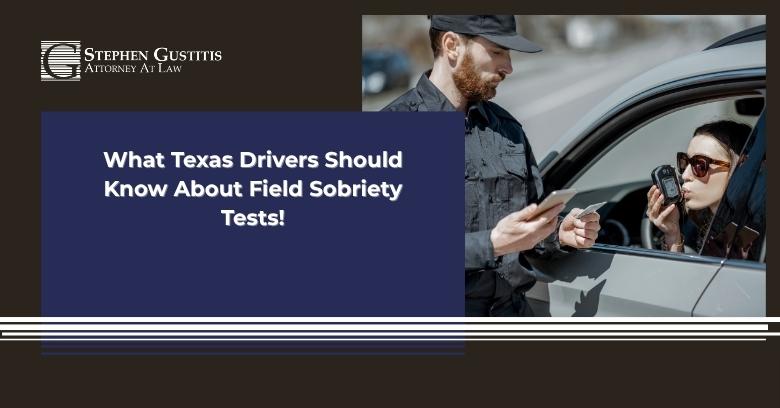
With a thorough grasp of the area judicial process and drunk driving statutes in Hearne Texas, Gustitis Law knows how to identify flaws in the opposing side's argument, including faulty breath tests, incorrect officer procedures, and doubtful field sobriety exams.
Our objective is to help you escape the lasting impacts of a DWI conviction and keep your record untarnished.
What Legal Approaches Are Utilized by Boating While Intoxicated Defense Lawyers?
When it concerns narcotics and intoxicated driving offenses, the best legal approach can be critical. Knowledgeable Boating While Intoxicated Defense Lawyers in Hearne Texas analyze the particulars of every case to develop a strong defense.
Here are some common approaches utilized by Gustitis Law:
- Challenging the Lawfulness of the Police Stop - If the original stop was illegal, information obtained afterward - such as breath test results- could be thrown out.
- Questioning Breath Test or Sobriety Test Accuracy - Alcohol testing devices and impairment assessments can sometimes yield inaccurate data. We’ll review the processes utilized and dispute them if required.
- Addressing Improper Search and Seizure - If officers infringed upon your Fourth Amendment rights, any illegally obtained evidence can be excluded, greatly hurting the opposing side's position.
Why Choose Gustitis Law Law Firm for Criminal Defense for Narcotics and Intoxicated Driving Charges?
When you are dealing with severe offenses like narcotics or intoxicated driving accusations, the Boating While Intoxicated Defense Lawyers you select can greatly impact the resolution of your case. Here’s why Gustitis Law stands out in Hearne Texas:
- Expert Defense - With 30 years of expertise defending clients against drug and drunk driving accusations, Gustitis Law has the expertise and skills to contest information, bargain with opposing counsel, and bring your legal matter to court if required.
- Tailored Legal Approaches - No two cases are identical. We spend the time necessary to learn about the details of your situation and tailor our legal approach to maximize your likelihood of success.
- Proven Results - Gustitis Law has successfully supported people achieve offenses reduced or dropped and has secured positive plea agreements and resolutions.
- Thorough Assistance - From the instant you are taken in, Gustitis Law will lead you through every stage of the legal process, ensuring you completely comprehend your rights and alternatives.
Confronting drug or drunk driving charges can be an overwhelming and difficult event, which makes finding the right Boating While Intoxicated Defense Lawyers in Hearne Texas so difficult. With your life on the line, it’s critical to take timely action and find a defense attorney.
Gustitis Law is committed to protecting your rights and ensuring the best possible outcome for your case.
Start With a Complimentary First Meeting Immediately
Don’t delay until it’s too late. If you are confronting accusations and looking for Boating While Intoxicated Defense Lawyers in Hearne Texas, get in touch with Gustitis Law right away. The faster you have a skilled defense lawyer on your side, the more solid your defense can be.
Gustitis Law is prepared to analyze your legal matter, describe your defense options, and start building an approach to safeguard your legal rights.
Defend your long-term prospects by working with Gustitis Law's dedicated staff of criminal defense lawyers who will fight for the best outcome in your legal matter!
Confronting Intoxicated Driving or Narcotics Charges and Searching for Boating While Intoxicated Defense Lawyers?
Your Top Option in Hearne Texas is Gustitis Law!
Call 979-701-2915 To Arrange an Initial Consultation!
DWI Offenses Defense FAQs
1. What Is the Legal Explanation of Operating While Impaired?
DWI refers to controlling a car while under the impact of substances. In most states, a BAC of 0.08% or higher is considered DWI.
2. What Is the Distinction Between Driving While Intoxicated and Driving Under the Influence?
In some regions, Operating While Impaired and Driving Under the Influence are interchangeable terms. However, in other areas, Driving While Intoxicated applies to alcohol-influenced offenses, while Driving While Impaired may refer to impairment by narcotics. The definitions can change based on local legal codes.
3. What Are the Consequences for a First Driving While Intoxicated Violation?
Punishments for an initial DWI violation can involve fees, license suspension, compulsory alcohol education programs, community supervision, and even jail time. The exact penalties depend on the region and the circumstances of the situation.
4. Can I Refuse a Breath Test?
Yes, you can refuse a breath test, but declining can cause swift consequences such as instantly applied loss of driving privileges under “implied consent” laws. Some regions may enforce stricter consequences for refusing a chemical test than for failing one.
5. What Is Implied Agreement?
Assumed approval implies that by obtaining a driver’s license, you immediately consent to take toxicological screening (breath, blood, or fluid) if you are suspected of driving while intoxicated. Refusal can result in consequences like loss of driving privileges.
6. What Are Common Arguments for a Operating While Impaired Offense?
Common arguments to DWI violations consist of illegal stop, inaccurate test results, invalid conducting of impairment tests, illnesses that affect alcohol levels, and infringements of your legal rights.
7. What Happens if I Am Detained for Driving While Intoxicated?
If arrested for DWI, you will likely be arrested, logged at a station house, and required to post bail. You’ll be given an arraignment date for your arraignment, where formal charges will be filed. It’s essential to contact a legal counsel as soon as possible.
8. What Is a Roadside Test, and Can I Decline It?
A field sobriety test is a group of physical assessments conducted by law enforcement to assess whether a motorist is intoxicated. You can say no to the sobriety test, but refusal may result in detainment. Unlike breathalyzer or blood tests, sobriety assessments are not required.
9. How Much Time Will My Driving Privileges Be Taken Away After a DWI?
License suspensions for DWI offenses depend based on the jurisdiction, past violations, and whether you said no to a breath test. An initial offense often leads to a temporary loss of several months, while subsequent charges can result in long-term revocations.
10. Can I Operate a Vehicle While My Driving Privileges Is Revoked?
Operating a vehicle on a suspended license is not allowed and can lead to new charges, monetary penalties, and longer revocation durations. In some instances, you may be eligible for a hardship permit that permits limited driving, such as for essential errands.
11. What Are Exacerbating Circumstances in an Operating While Impaired Offense?
Exacerbating circumstances that can lead to stricter punishments include having a high BAC (usually fifteen hundredths of a percent or higher), causing a collision, having a minor in the vehicle, prior violations, and driving on a revoked license.
12. Can I Be Incarcerated for a DWI?
Yes, even for a initial Operating While Impaired offense, you may face jail time depending on your blood alcohol concentration, the circumstances of your detention, and legal statutes. Repeat offenders and drivers involved in collisions often experience extended imprisonment.
13. What Is an Ignition Interlock Device, and Will I Need to Install One?
An IID is a breathalyzer installed in your car that prevents the car from igniting if alcohol is sensed. Some regions mandate offenders to install an IID as a requirement of getting your license back or as part of a sentence.
14. Can I Obtain a Driving While Intoxicated Removed From My History?
In some states, it’s permitted to get a Driving While Intoxicated expunged (removed) from your record, especially for first-time violators. Clearance requirements varies by state and usually necessitates a clean record following the incident and completion of all legal obligations.
15. What Should I Do If I’m Pulled Over on Suspicion of DWI?
If you’re stopped on accusation of Driving While Intoxicated, stay calm and be polite. Provide your license, vehicle registration, and insurance verification. Do not admit guilt or answer incriminating questions. Politely reject field sobriety tests and demand a lawyer if you are detained.
16. What Is an Operating While Impaired Arraignment?
A formal appearance is the first legal hearing after a DWI detention, where the offenses are officially presented, and you will enter a response (admitting guilt, denying guilt, or pleading no contest). It is essential to consult an attorney to manage this hearing.
17. Can Prescription Drugs Lead to a DWI Accusation?
Yes, you can be charged with Operating While Impaired if you are intoxicated by prescription drugs, even if you hold a legally prescribed order. Any medication that impairs your capability to control a car safely, whether legal or illegal, can lead to a Driving While Intoxicated charge.
18. What Is the Legal Blood Alcohol Concentration for Commercial Drivers?
For licensed operators, the legal BAC limit is typically 0.04 percent, less the general 0.08 percent for regular license holders. Offenses can lead to strict punishments, including termination of driving privileges and employment termination.
19. What Is the Legal Recurrence Window for Driving While Intoxicated Offenses?
The look-back period refers to the period during which past violations can be evaluated to increase penalties for a recent charge. This timeframe differs by state but is commonly between a 5-10 year span. Prior violations within this timeframe cause increased punishments.
20. What Are the Punishments for a Repeat DWI Violation?
Penalties for a subsequent DUI charge are more severe and often involve more time in jail, higher fines, extended driving bans, mandatory installation of an ignition interlock device, and involvement in alcohol treatment programs.
21. Can I Question the Accuracy of an Alcohol Screening?
Yes, alcohol analysis results can be contested. Reasons like incorrect setup, equipment failure, or wrong administration can cause wrong measurements. Your attorney can examine these factors and likely get the results thrown out.
22. How Long Does a Operating While Impaired Remain on My File?
In most regions, a Operating While Impaired remains on your personal record forever. However, for purposes of upcoming sentencing, there is often a “look-back” period (typically 5-10 years), after which an earlier violation may not apply against you for greater punishments.
23. What Is a DWI Alternative Sentencing Plan?
A drunk driving rehabilitation program is an optional sentencing approach for initial violators that may enable you to avoid a court charge by fulfilling a judge-approved rehabilitation program. Finished fulfillment may result in in reduction or reduction of accusations.
24. What Should I Anticipate in Court After a Driving While Intoxicated Arrest?
After a drunk driving arrest, you will have an initial hearing, preliminary hearings, and possibly a court case. The prosecution will present proof, such as the results of field sobriety tests, chemical tests, and law enforcement documents. Your legal counsel will defend you and challenge the proof.
25. How Does a DWI Impact My Vehicle Insurance Costs?
A DWI conviction often results in significantly higher car insurance rates. Many insurers classify DWI offenders as high-risk individuals, which causes raised insurance costs or even termination of your policy.
26. Can I Refuse a Chemical Test After a Drunk Driving Arrest?
You can reject a chemical screening, but refusal usually leads to penalties like a suspended license. In some instances, the police may get a legal order to carry out a blood test, especially if they think impairment by drugs.
27. Can I Be Accused With DWI for Operating a Vehicle While Intoxicated by Marijuana?
Yes, you can be convicted with Driving While Intoxicated for operating a vehicle under marijuana influence or another substance. While marijuana may be legal in some jurisdictions, being intoxicated while driving by any intoxicating substance that reduces your capacity to operate a vehicle is against the law.
28. What Exactly Is the Role of a DWI Lawyer?
An impaired driving lawyer will review the details of your case, question the legality of the traffic stop or arrest, evaluate the accuracy of sobriety tests, arrange reduced charges if required, and defend you in judicial hearings to achieve the most favorable result.
29. How Can I Obtain My Driving License Restored After a Driving While Intoxicated?
After serving a suspension period, you may need to complete certain requirements to get your license reinstated, such as enrolling in a DWI education program, covering legal costs, obtaining proof of insurance, and installing an alcohol detection system.
30. Can I Be Accused With Operating While Impaired While Parked?
Yes, in some regions, you can be accused with Driving While Intoxicated even if you are parked, as long as the state attorney can prove that you were in possession of the car while under the influence. This is often referred to as “physical control” of the automobile.
31. Can I Dispute an Operating While Impaired Offense if I Was Not Operating the Vehicle?
If you were not physically behind the wheel, you may have a defense against the Driving While Intoxicated charge. For example, if you were found within a parked vehicle, your lawyer could claim that you were not in charge of the vehicle and did not present a danger.
32. What is a Restricted License?
A hardship license is a restricted license that enables you to drive to and from important destinations, such as employment or school, while your standard license is on hold due to a Driving While Intoxicated offense. You may need get one after a suspension.
33. What Happens if I’m Stopped Driving With a Suspended License After a Driving While Intoxicated?
Being behind the wheel with a suspended license after a Driving While Intoxicated conviction can result in extra penalties, extended suspension periods, financial penalties, and jail time. It is crucial to follow with all court-ordered restrictions to avoid further legal trouble.
34. What Exactly Is High-Risk Insurance, and Will I Have to Get It After a Driving While Intoxicated?
SR-22 insurance is a certificate mandated by many jurisdictions after a DWI offense. It serves as proof that you hold the necessary liability coverage. Losing proof of financial responsibility can cause additional license suspension.
35. Can a DWI Impact My Job?
Yes, anOperating While Impaired offense can affect your employment, especially if your job requires operating a vehicle or if your organization does employment screenings. It may also result in suspension or termination of professional licenses in certain professions.

 Verified


Verified

Verified

Verified

Verified

Verified

Verified


Verified

Verified

Verified

Verified

Verified

Verified
Verified

Verified

Verified
Verified

Verified

Verified
Verified

Verified

Verified


Verified

Verified

Verified


Verified

Verified
Verified

Verified

Verified


Verified


Verified

Verified

Verified

Verified

Verified
Verified

Verified
Verified

Verified

Verified

Verified
Verified


Verified


Verified

Verified
Verified

Verified
Verified

Verified

Verified
Verified


Verified

Verified

Verified
Verified

Verified

Verified
Verified


Verified

Verified

Verified
Verified
Verified

Verified


Verified

Verified


Verified

Verified
Verified
Verified

Verified

Verified
Verified

Verified
Verified

Verified
Verified

Verified

Verified
Verified
Verified
Verified
Verified

Verified

Verified
Verified

Verified
Verified
Verified
Verified
Verified
Verified

Verified

Verified

Verified
Verified
Verified
Verified

Verified