Looking for Boating While Intoxicated Defense Attorneys in Hearne Texas?
Trust The Skill of Gustitis Law
Dial 979-701-2915 For A Complimentary Consultation!
Confronting offenses for drug crimes or DWI can be a stressful and significant situation in Hearne Texas. These charges can include severe consequences, including jail time, large financial penalties, loss of driving privileges, and a long-term legal record.
Beyond the immediate impacts, such convictions can influence your long-term employment opportunities, housing prospects, and even social connections.
When your freedom and future are at stake, it is vital to obtain experienced Boating While Intoxicated Defense Attorneys that can manage the intricacies of the court process and create a solid case on your behalf.
At Gustitis Law, we specialize in representing defendants charged with narcotics violations and drunk driving charges. Our group of experienced lawyers is focused on providing aggressive representation and personalized legal strategies to defend your freedom.
Gustitis Law has a proven track record of successfully defending individuals in Hearne Texas against accusations ranging from basic substance ownership to major charges such as narcotics trafficking or serious criminal DWI.
Challenging Narcotics Crimes in Hearne Texas
Narcotics-related accusations in Hearne Texas can differ widely in severity, from low-level holding charges to large-scale substance supply situations. In any instance, the consequences can be devastating without an effective defense by Boating While Intoxicated Defense Attorneys. The lawyers at Gustitis Law take on a broad spectrum of drug charges, including:
- Narcotics Holding - Whether it is marijuana, legal medications, powdered drugs, or more dangerous substances, our legal professionals have the knowledge to dispute the proof and fight for your case.
- Narcotics Distribution - These serious offenses often result in lengthy incarceration. We recognize the serious risks involved and are prepared to build a solid case to defend your legal standing.
- Holding with Distribution Intent: The opposing counsel will often seek to raise simple possession charges if significant amounts of drugs are present. We contest to verify the supporting information is analyzed carefully and challenge any assumptions about intent.
With narcotics laws regularly changing, you need a legal expert who remains current with law updates and is familiar with the details of state drug laws – you need Gustitis Law. We endeavor carefully to seek charge dismissals, reduced accusations, and rehabilitative options to protect your future.
Comprehensive DWI Representation for Hearne Texas Individuals
Driving while intoxicated is a serious criminal offense in Hearne Texas that can have life-changing consequences. Punishments for drunk driving in Texas include monetary sanctions, prison sentences, public service, mandatory alcohol education programs, and license suspension.
A driving while intoxicated guilty verdict can also lead to elevated insurance premiums and in some cases, you could face major offenses if there are worsening circumstances like prior convictions or damage caused by the event.
All of this needs the experience of experienced Boating While Intoxicated Defense Attorneys – and Gustitis Law focuses on defending clients charged with drunk driving charges, including:
- Initial DWI Charge - A first-offense driving while intoxicated charge may lead to consequences such as license suspension, fines, and possible jail time. Gustitis Law aims to minimize these penalties and work to escape incarceration and retain your driving privileges.
- Second or Subsequent DWI - Facing a subsequent or subsequent intoxicated driving offense in Hearne Texas can result in harsher penalties, including lengthier prison terms and extended license suspension. Gustitis Law provides tenacious legal advocacy to contest the accusations and strive for the best possible outcome.
- Felony DWI - If you are accused of a DWI in Hearne Texas resulting in harm or if you have past DWI offenses, you could be dealing with a felony. The Gustitis Law experienced DWI defense attorneys will advocate to mitigate the impact of these offenses.
With a thorough understanding of the regional judicial system and intoxicated driving statutes in Hearne Texas, Gustitis Law is aware of how to identify flaws in the state's argument, including inaccurate breath tests, flawed police methods, and doubtful sobriety exams.
Our goal is to help you avoid the lasting consequences of a drunk driving conviction and preserve your record untarnished.
What Judicial Strategies Are Used by Boating While Intoxicated Defense Attorneys?
When it concerns substance and intoxicated driving charges, the right strategic approach can be critical. Knowledgeable Boating While Intoxicated Defense Attorneys in Hearne Texas examine the particulars of every case to build a robust defense.
Listed are some frequent strategies utilized by Gustitis Law:
- Disputing the Validity of the Police Stop - If the original stop was unlawful, evidence gathered afterward - such as alcohol testing results- could be thrown out.
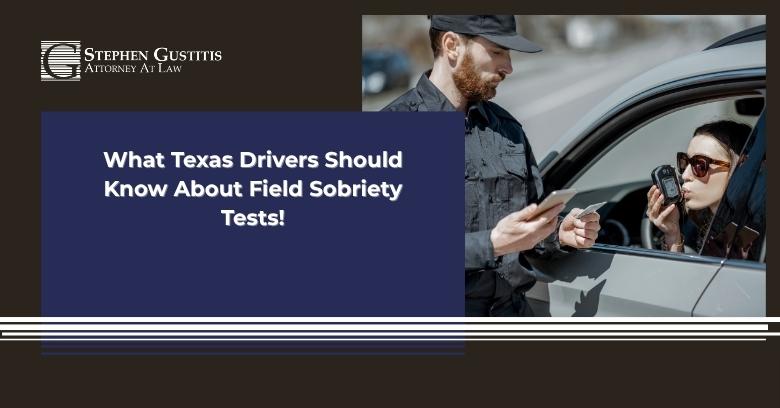
- Challenging Alcohol Test or Field Sobriety Test Validity - Breath test machines and sobriety tests can sometimes give faulty data. We’ll review the procedures employed and challenge them if needed.
- Challenging Improper Seizures - If police violated your Fourth Amendment rights, any unlawfully gathered information can be excluded, significantly weakening the prosecution’s case.
Why Opt for Gustitis Law Law Firm for Criminal Defense for Narcotics and Intoxicated Driving Offenses?
When you are confronting serious charges like narcotics or drunk driving charges, the Boating While Intoxicated Defense Attorneys you select can dramatically affect the result of your situation. Here’s why Gustitis Law is unique in Hearne Texas:
- Experienced Lawyers - With 30 years of practice representing clients against narcotics and drunk driving accusations, Gustitis Law has the expertise and abilities to dispute information, negotiate with the state, and carry your legal matter to court if required.
- Tailored Legal Approaches - No two cases are alike. We make the effort to learn about the details of your situation and tailor our plan to increase your possibility of a favorable outcome.
- Proven Results - Gustitis Law has triumphantly supported clients get charges reduced or dismissed and has secured favorable deals and legal results.
- Thorough Assistance - From the instant you are taken in, Gustitis Law will guide you through every stage of the court proceedings, ensuring you fully understand your rights and options.
Dealing with substance or drunk driving accusations can be a confusing and challenging event, which makes finding the right Boating While Intoxicated Defense Attorneys in Hearne Texas so challenging. With your future hanging in the balance, it is critical to take timely action and find a defense attorney.
Gustitis Law is dedicated to protecting your rights and guaranteeing the best possible result for your case.
Begin With a Free Initial Consultation Today
Do not hesitate until it’s too late. If you're confronting accusations and searching for Boating While Intoxicated Defense Attorneys in Hearne Texas, get in touch with Gustitis Law immediately. The quicker you have an experienced defense lawyer on your side, the better your legal strategy can be.
Gustitis Law is willing to examine your situation, outline your legal options, and begin developing an approach to safeguard your freedoms.
Defend your future by working with Gustitis Law's dedicated group of defense attorneys who will advocate for the optimal result in your legal matter!
Facing DWI or Narcotics Charges and Looking For Boating While Intoxicated Defense Attorneys?
Your Best Choice in Hearne Texas is Gustitis Law!
Contact 979-701-2915 To Arrange a First Meeting!
DWI Offenses Defense FAQs
1. What Is the Official Definition of Operating While Impaired?
DWI is defined as driving a car while under the impact of intoxicants. In most jurisdictions, a blood alcohol concentration of 0.08% or higher constitutes DWI.
2. What Is the Difference Between DWI and Driving Under the Influence?
In some jurisdictions, Driving While Intoxicated and DUI are interchangeable terms. However, in other areas, Operating While Impaired applies to alcohol-induced offenses, while Driving Under the Influence may refer to intoxication by drugs. The definitions can change based on state laws.
3. What Are the Punishments for a First-Time Driving While Intoxicated Violation?
Punishments for an initial DWI charge can include monetary penalties, license suspension, compulsory substance abuse education classes, probation, and even jail time. The specific penalties depend on the state and the circumstances of the incident.
4. Can I Refuse a Breathalyzer Test?
Yes, you can say no to a breathalyzer test, but saying no can result in instant penalties such as automatic license suspension under “implied consent” regulations. Some regions may enforce harsher punishments for saying no to a chemical test than for not passing one.
5. What Is Implied Agreement?
Inferred consent implies that by getting a operator's permit, you automatically agree to undergo substance-based screening (breath, blood, or fluid) if you are believed of driving while intoxicated. Declining can lead to repercussions like loss of driving privileges.
6. What Are Typical Arguments for a DWI Accusation?
Typical strategies to Driving While Intoxicated violations include improper traffic stop, faulty breathalyzer results, improper handling of field sobriety tests, health issues that affect BAC, and infringements of your civil rights.
7. What Happens if I Am Arrested for Driving While Intoxicated?
If taken into custody for DWI, you will likely be taken into custody, processed at a law enforcement center, and required to post bail. You’ll get an arraignment date for your first court appearance, where the charges will be announced. It’s crucial to contact a legal counsel as soon as possible.
8. What Is a FST, and Can I Say no to It?
A roadside test is a series of physical tests administered by police officers to determine whether a motorist is under the influence. You can decline the sobriety test, but saying no may cause arrest. Unlike breathalyzer or alcohol screenings, field sobriety tests are not mandatory.
9. How Long Will My License Be Revoked After an Operating While Impaired?
License suspensions for DWI violations vary based on the jurisdiction, prior offenses, and whether you declined a breathalyzer. An initial charge often results in a revocation of several periods, while additional violations can cause longer suspensions.
10. Can I Drive While My Driver's License Is Revoked?
Driving with a suspended license is not allowed and can lead to further legal action, fines, and further suspension durations. In some cases, you may be qualified for a limited license that lets essential travel, such as to and from work.
11. What Are Exacerbating Circumstances in an Operating While Impaired Situation?
Aggravating factors that can result in stricter punishments involve having a high BAC (usually 0.15 percent or higher), leading to a collision, having a minor in the automobile, prior violations, and operating a vehicle on an invalid license.
12. Can I Face Imprisonment for a DWI?
Yes, even for a first-time Driving While Intoxicated offense, you may serve time in jail according to your BAC, the facts of your detention, and state laws. Repeat offenders and people causing crashes often experience extended imprisonment.
13. What Is an IID, and Will I Need to Install One?
An alcohol monitoring device is an alcohol sensor fitted in your automobile that blocks the car from starting if alcohol is detected. Some jurisdictions mandate violators to use an IID as a condition of getting your license back or as part of a sentence.
14. Can I Obtain a DWI Cleared From My Criminal Record?
In some jurisdictions, it’s permitted to remove an Operating While Impaired expunged (removed) from your criminal record, especially for first-time offenders. Clearance requirements differs by jurisdiction and often necessitates a good legal standing following the offense and fulfillment of all sentencing requirements.
15. What Should I Take Action on If I’m Stopped on Assumption of Driving While Intoxicated?
If you’re pulled over on assumption of DWI, remain calm and be polite. Provide your license, vehicle registration, and proof of insurance. Do not incriminate yourself or respond to damaging questions. Politely decline field sobriety tests and demand an attorney if you are detained.
16. What Is an Operating While Impaired Initial Appearance?
An arraignment is the first court proceeding after a Driving While Intoxicated charge, where the offenses are legally read, and you will make a statement (guilty, pleading innocent, or not disputing). It is important to have a lawyer to navigate this proceeding.
17. Can Legal Medication Result in a Driving While Intoxicated Charge?
Yes, you can be accused with Driving While Intoxicated if you are under the influence by medications, even if you have a legally prescribed authorization. Any substance that alters your capacity to drive safely, whether prescribed or illegal, can result in a DWI offense.
18. What Is the Permissible Blood Alcohol Concentration for Professional Drivers?
For commercial drivers, the permissible alcohol level is typically four one-hundredths of a percent, below the general 0.08% for non-commercial drivers. Offenses can lead to severe penalties, like termination of driving privileges and firing.
19. What Is the Legal Recurrence Window for DWI Violations?
The look-back period means the duration during which previous DWI convictions can be taken into account to escalate consequences for a subsequent violation. This timeframe differs by state but is typically between a 5-10 year span. Recurring offenses within this period cause increased punishments.
20. What Are the Consequences for a Repeat DWI Violation?
Consequences for a subsequent DUI charge are harsher and often involve extended imprisonment, higher fines, extended driving bans, mandatory fitting of an ignition interlock device, and enrollment in rehabilitation programs.
21. Can I Challenge the Accuracy of a Breathalyzer Screening?
Yes, breathalyzer analysis results can be challenged. Issues like improper setup, equipment failure, or improper administration can cause incorrect results. Your attorney can review these issues and possibly have the results dismissed.
22. How Long Does a Operating While Impaired Stay on My File?
In most states, a Operating While Impaired stays on your criminal record forever. However, for purposes of upcoming sentencing, there is often a “look-back” duration (usually five to ten years), after which a previous conviction may not count in your case for increased punishments.
23. What Is a Driving While Intoxicated Rehabilitation Plan?
A DWI diversion option is a different penalty option for initial violators that may allow you to evade a criminal sentence by finishing a court-approved rehabilitation process. Finished participation may cause in dropping or reduction of charges.
24. What Should I Prepare for in Judicial Proceedings After an Operating While Impaired Charge?
After an impaired driving detention, you will have a court appearance, legal proceedings, and possibly a trial. The state attorney will provide details, such as the findings of field sobriety tests, chemical tests, and law enforcement documents. Your lawyer will defend you and contest the accusations.
25. How Does a Driving While Intoxicated Impact My Vehicle Insurance Costs?
A DWI conviction often leads to elevated insurance costs. Many providers label those convicted of DWI as high-risk individuals, which causes increased premiums or even voiding of your policy.
26. Can I Refuse a Chemical Test After a Drunk Driving Arrest?
You can reject an alcohol examination, but declining usually leads to penalties like a suspended license. In some situations, the police may obtain a warrant to perform a blood alcohol screening, especially if they think drug use.
27. Can I Be Accused With Driving While Intoxicated for Being High While Driving?
Yes, you can be charged with Operating While Impaired for driving under the influence of marijuana or any drug. While cannabis may be allowed in some states, being intoxicated while driving by any drug that reduces your ability to drive is illegal.
28. What Is the Job of a Drunk Driving Lawyer?
A DWI lawyer will examine the facts of your case, question the legality of the traffic stop or arrest, evaluate the reliability of sobriety tests, arrange settlements if needed, and advocate for you in court to attain the best possible outcome.
29. How Can I Get My License to Drive Restored After a DWI?
After serving a suspension term, you may have to fulfill certain requirements to get your license reinstated, such as participating in an alcohol awareness course, paying fines, acquiring high-risk insurance, and fitting an ignition interlock device.
30. Can I Be Charged With Driving While Intoxicated While Stationary?
Yes, in some states, you can be accused with Operating While Impaired even if you are stationary, as long as the state attorney can prove that you were in possession of the vehicle while under the influence. This is often known as “actual possession” of the vehicle.
31. Can I Fight an Operating While Impaired Accusation if I Wasn’t Driving?
If you were not currently driving, you may have an argument against the Operating While Impaired accusation. For example, if you were caught inside a parked automobile, your attorney could state that you were not in charge of the vehicle and did not create a risk.
32. What is a Hardship License?
A hardship license is a special license that enables you to commute to and from important destinations, such as employment or college, while your normal license is revoked due to a Operating While Impaired charge. You may be required request one after a suspension.
33. What Happens if I’m Caught Operating a Vehicle With a Suspended License After an Operating While Impaired?
Driving with a revoked license after an Operating While Impaired conviction can result in extra penalties, more time without a license, legal costs, and jail time. It is crucial to follow with all court-ordered restrictions to stay out of further legal trouble.
34. What Exactly Is SR-22 Insurance, and Will I Have to Get It After an Operating While Impaired?
Proof of financial responsibility is a document required by many regions after a Driving While Intoxicated offense. It serves as proof that you carry the minimum required insurance coverage. Not having SR-22 insurance can lead to additional revocation of driving privileges.
35. Can a DWI Impact My Work?
Yes, a Driving While Intoxicated charge can affect your work, especially if your job necessitates operating a vehicle or if your company conducts employment screenings. It may also lead to suspension or revocation of professional licenses in certain professions.

 Verified


Verified

Verified

Verified

Verified

Verified

Verified


Verified

Verified

Verified

Verified

Verified

Verified
Verified

Verified

Verified
Verified

Verified

Verified
Verified

Verified

Verified


Verified

Verified

Verified


Verified

Verified
Verified

Verified

Verified


Verified


Verified

Verified

Verified

Verified

Verified
Verified

Verified
Verified

Verified

Verified

Verified
Verified


Verified


Verified

Verified
Verified

Verified
Verified

Verified

Verified
Verified


Verified

Verified

Verified
Verified

Verified

Verified
Verified


Verified

Verified

Verified
Verified
Verified

Verified


Verified

Verified


Verified

Verified
Verified
Verified

Verified

Verified
Verified

Verified
Verified

Verified
Verified

Verified

Verified
Verified
Verified
Verified
Verified

Verified

Verified
Verified

Verified
Verified
Verified
Verified
Verified
Verified

Verified

Verified

Verified
Verified
Verified
Verified

Verified