Trying to Find Drug Offenses Defense Law Firms in College Station Texas?
Trust The Knowledge of Gustitis Law
Call 979-701-2915 For A Complimentary Consultation!
Facing legal accusations for drug violations or drunk driving can be an overwhelming and significant situation in College Station Texas. These offenses can carry harsh punishments, including incarceration, significant fines, revocation of your license, and a lasting criminal record.
Apart from the short-term effects, such guilty verdicts can impact your career employment opportunities, housing prospects, and even social connections.
When your liberty and long-term prospects are at risk, it is vital to obtain knowledgeable Drug Offenses Defense Law Firms that can navigate the nuances of the justice system and create a robust defense on your behalf.
At Gustitis Law, we are experts in protecting defendants accused with drug offenses and drunk driving charges. Our team of skilled attorneys is dedicated to providing aggressive representation and personalized legal strategies to protect your legal entitlements.
Gustitis Law has a history of triumphantly safeguarding individuals in College Station Texas against accusations covering simple narcotics possession to felony crimes such as narcotics trafficking or major offense drunk driving.
Defending Against Narcotics Offenses in College Station Texas
Drug-related accusations in College Station Texas can range widely in severity, from low-level holding charges to major drug supply cases. In any situation, the impacts can be severe without a strong defense by Drug Offenses Defense Law Firms. The legal professionals at Gustitis Law handle a broad spectrum of drug charges, including:
- Narcotics Ownership - Whether it is weed, legal medications, cocaine, or harder substances, our legal professionals have the experience to contest the supporting information and defend for your legal matter.
- Substance Distribution - These severe offenses often cause extended jail sentences. We understand the severe consequences involved and are ready to create a solid case to protect your rights.
- Possession with Intent to Distribute: The opposing counsel will often attempt to upgrade simple possession charges if bulk quantities of narcotics are found. We fight to make sure the proof is analyzed thoroughly and challenge any presumptions about selling intentions.
With narcotics laws regularly changing, you need a lawyer who is informed with the latest laws and comprehends the nuances of local narcotics laws – you need Gustitis Law. We endeavor diligently to seek case dismissals, lowered allegations, and alternative sentencing to protect your long-term prospects.
Complete Defense Against DWI for College Station Texas Clients
DWI is a significant criminal offense in College Station Texas that can have significant consequences. Punishments for DWI in Texas include financial penalties, jail time, public service, required rehabilitation programs, and revocation of license.
A drunk driving criminal record can also result in higher insurance premiums and in some cases, you could face major offenses if there are additional issues like multiple violations or harm caused by the incident.
All of this requires the expertise of dedicated Drug Offenses Defense Law Firms – and Gustitis Law focuses on representing clients charged with drunk driving charges, including:
- First-Offense DWI - A initial DWI accusation may cause punishments such as loss of license, financial sanctions, and possible jail time. Gustitis Law aims to minimize these outcomes and try to escape incarceration and keep your license.
- Second or Subsequent DWI - Confronting a subsequent or additional drunk driving charge in College Station Texas can lead to harsher penalties, including lengthier prison terms and extended license suspension. Gustitis Law provides strong defense to contest the allegations and seek the optimal resolution.
- Felony DWI - If you are charged with a drunk driving offense in College Station Texas involving injury or if you have past DWI offenses, you could be facing a major crime. The Gustitis Law capable drunk driving lawyers will fight to lessen the seriousness of these accusations.
With a thorough understanding of the area court structure and intoxicated driving regulations in College Station Texas, Gustitis Law is aware of how to spot flaws in the opposing side's case, including faulty breathalyzer results, improper officer procedures, and doubtful sobriety exams.
Our objective is to help you avoid the lasting consequences of a DWI criminal record and preserve your legal standing clear.
What Defense Strategies Are Employed by Drug Offenses Defense Law Firms?
When it concerns substance and DWI charges, the best strategic approach can make all the difference. Knowledgeable Drug Offenses Defense Law Firms in College Station Texas evaluate the particulars of every case to build a strong legal strategy.
Here are some frequent defenses used by Gustitis Law:
- Disputing the Validity of the Initial Stop - If the initial stop was improper, proof obtained later - such as breath test data- could be dismissed.
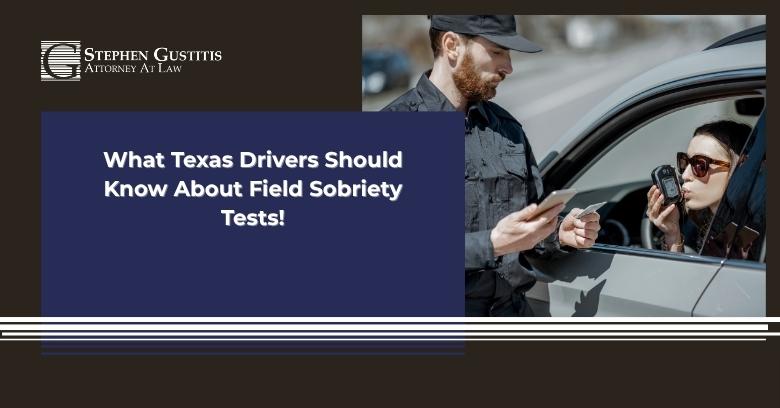
- Challenging Breathalyzer or Field Sobriety Assessment Reliability - Breathalyzer machines and impairment tests can sometimes give inaccurate results. We’ll review the methods used and dispute them if needed.
- Addressing Illegal Seizures - If police violated your constitutional rights, any illegally obtained information can be thrown out, greatly damaging the state's position.
Why Select Gustitis Law Lawyers for Criminal Defense for Drug and DWI Charges?
When you’re confronting serious accusations like drug or intoxicated driving accusations, the Drug Offenses Defense Law Firms you choose can greatly affect the result of your legal matter. Here’s why Gustitis Law is different in College Station Texas:
- Skilled Legal Representation - With over 30 years of experience defending clients against substance and drunk driving offenses, Gustitis Law has the expertise and skills to dispute proof, mediate with prosecutors, and take your legal matter to court if needed.
- Custom Defense Plans - No two legal matters are identical. We make the effort to comprehend the particulars of your situation and adapt our plan to maximize your likelihood of a favorable outcome.
- Proven Results - Gustitis Law has successfully assisted clients achieve offenses reduced or dropped and has secured favorable settlements and legal results.
- Comprehensive Support - From the instant you are taken in, Gustitis Law will assist you through every stage of the court proceedings, making sure you fully understand your entitlements and alternatives.
Confronting narcotics or drunk driving charges can be an overwhelming and stressful experience, which makes finding the ideal Drug Offenses Defense Law Firms in College Station Texas so difficult. With your future on the line, it’s vital to take timely steps and find a lawyer.
Gustitis Law is committed to safeguarding your freedoms and ensuring a good result for your situation.
Start With a Complimentary Initial Consultation Now
Don’t hesitate until it is too late. If you are confronting accusations and looking for Drug Offenses Defense Law Firms in College Station Texas, get in touch with Gustitis Law as soon as possible. The quicker you have a knowledgeable defense lawyer on your side, the stronger your case can be.
Gustitis Law is willing to examine your situation, outline your legal choices, and start building a plan to protect your legal rights.
Safeguard your long-term prospects by collaborating with Gustitis Law's focused group of legal experts who will fight for the optimal outcome in your case!
Confronting Drunk Driving or Narcotics Charges and Needing Drug Offenses Defense Law Firms?
Your Best Choice in College Station Texas is Gustitis Law!
Contact 979-701-2915 To Schedule an Consultation!
Drug Offenses Defense FAQs:
1. What Are Typical Substance Offenses?
Frequent drug violations include ownership, smuggling, selling, creation, and harvesting of prohibited substances. Crimes also involve prescription substance fraud, drugged driving, and ownership of substance-use tools.
2. What Is Substance Holding?
Drug ownership occurs when a suspect is discovered to possess illegal drugs on their body or property. This can consist of small amounts for individual use (basic possession) or bigger quantities that may indicate intent to be a supplier.
3. What Is the Distinction Between Basic Ownership and Possession With Intent to Distribute of Substances?
Basic possession means holding a minimal quantity of drugs for personal use, while possession for distribution entails bulk amounts and may involve indications like containers, weighing devices, or currency, which indicate selling or distribution.
4. What Are the Penalties for Narcotics Ownership?
Punishments for substance possession differ by jurisdiction and the type of drug. They can involve monetary penalties, public service, and mandatory drug treatment programs to jail time. Punishments are often greater for repeat offenses or possession of more dangerous substances like cocaine or methamphetamine.
5. Can I Be Arrested for Ownership of Doctor-Prescribed Medications?
Yes, you can be detained for owning prescribed medications if you do not have a legal prescription. Misuse of prescription medications, such as the unauthorized distribution or ownership of medications like narcotics or tranquilizers, is treated the same as narcotics crimes.
6. What Must I Do If I’m Taken Into Custody for a Drug Offense?
If you’re arrested for a narcotic violation, stay calm and do not speak to the officers without a legal representative present. Anything you say can be applied against you. Call a criminal defense attorney right away to safeguard your rights and create a legal defense.
7. What Is Illegal Transportation of Controlled Substances?
Drug traffickingillegal transportation of controlled substances} involves the illicit distribution, transportation, or trade of illegal narcotics. It is a heavier charge than holding and often involves large quantities of substances. Drug trafficking charges typically carry more severe punishments, such as lengthy prison sentences
8. What Arguments Are Available for Drug Possession Allegations?
Typical strategies for substance possession include illegal search and seizure (breaking your Fourth Amendment rights), absence of ownership (the narcotics were not yours), entrapment, or demonstrating that the narcotics were lawfully provided to you.
9. Can I Have That Drug Charges Be Dropped?
In some cases, substance-related allegations can be dropped through negotiation of a deal or rehabilitation programs, especially for new violators or minor possession charges. Your lawyer may discuss with the district attorney for alternative sentencing options like counseling.
10. What Are Substance-Use Tools and Can I Be Prosecuted for Holding It?
Substance-use tools involves items or tools designed to consume, manufacture, or sell narcotics, such as smoking devices, injectors, or weighing devices. Holding of narcotics equipment is illegal in many states and can bring about charges even if no narcotics are discovered.
11. How Does the Quantity of Narcotics Affect My Penalties?
The quantity of controlled substances found can significantly affect the accusations. Small amounts usually lead to holding counts, while larger quantities may lead to counts of possession with objective to distribute or trafficking, which carry more severe consequences.
12. What Is Drug Manufacturing, and What Are the Penalties?
Narcotics production is defined as the illegal manufacture of controlled substances, such as meth, cocaine, or ecstasy. Consequences for drug manufacturing are stringent and may involve long prison sentences, large financial consequences, and the seizure of assets.
13. Can a Narcotics Offense Be Expunged From My Criminal History?
In some instances, narcotics offenses may be expunged (removed) from your background, according to the seriousness of the charge, your background, and local regulations. Removal from the record may be possible for low-level violations or initial violators after finishing a drug treatment program or community service.
14. What Is an Alternative Sentencing Program?
A court-ordered rehabilitation program enables eligible individuals to bypass a guilty verdict by participating in a court-mandated program, such as drug treatment or treatment. Full completion of the program often results in dismissal of the charges.
15. How Can I Make A Challenge Against Substance Distribution Allegations?
Defenses to narcotics smuggling allegations may involve challenging the lawfulness of the investigation and seizure, showing no intent to sell, or stating that the individual was not conscious of the existence of the drugs. Deception can also be a available defense if law enforcement induced the violation.
16. What Happens If I’m Arrested Driving While Drug-Impaired?
Driving under the influence of drugs is treated the same way as DUI for alcohol. Penalties can consist of financial penalties, prison sentences, license suspension, and court-ordered drug programs. Authorities may use toxicology tests or field sobriety tests to determine intoxication.
17. Can Doctor Prescription Forgery Lead to Felony Charges?
Yes, doctor prescription forgery, such as faking medical scripts, obtaining multiple prescriptions, or selling prescription drugs, is a major crime. It can lead to criminal charges leading to incarceration, financial penalties, and forfeiture of credentials.
18. What Is the Difference Between Government-Level and State Drug Charges?
Federal drug charges typically involve big drug rings, such as substance distribution across borders or international borders. State charges are often related to smaller-scale holding or distribution offenses. Federal charges carry greater punishments, including required prison time.
19. What Are Substance Categories?
Regulated drugs are organized into schedules (I-V) based on their potential for abuse and medical use. Class I substances (e.g., LSD) have a great risk for misuse and no legal medical application, while Class V substances e.g., some cough medicines have a reduced likelihood for misuse.
20. What Happens If I’m Charged With Having a Controlled Substance in a Restricted Area?
Holding of narcotics in a drug-free zone typically cause harsher consequences, such as higher fines. Prosecutors typically prosecute these violations more seriously due to the proximity to children and academic facilities.
21. What Is Narcotics Conspiracy?
Conspiracy to commit a drug crime involves two individuals agreeing to carry out a drug-related offense, such as trafficking or dispensation. Even if the violation is not executed, joining the plan can cause felony consequences.
22. How Does Substance Testing Work in Legal Cases?
Substance testing in court proceedings may be applied to verify the presence of controlled drugs in your body, especially in DUID or legal supervision circumstances. A failed test can influence court penalties, court-ordered supervision, or other penalties.
23. Can I Be Prosecuted With a Drug Offense If I Was Simply in the Vicinity of Illegal Substances?
Yes, you can be charged with holding narcotics if narcotics are discovered in your close proximity, even if they don’t belong to you. This is called "possession by proximity" and you can be charged for substances found in an automobile or residence.
24. What Should I Do If I’m Pulled Over by Authorities and Substances Are Present in My Car?
If substances are discovered in your automobile, remain calm and do not admit ownership or answer questions without an legal representative. The law enforcement must prove that the substances are yours and that you were aware of their existence. Your legal counsel can contest the lawfulness of the search and whether your rights were violated.
25. What Are My Rights If I Am Arrested for a Narcotics Crime?
You have the right to remain silent, the entitlement to a legal representative, and the right to a court hearing. It’s essential not to answer any questions without a lawyer with you, as anything you say can be applied in court.
26. Can Substance Offenses Impact My Immigration Status?
Yes, narcotics crimes can have serious consequences for foreign nationals, including being expelled, citizenship refusal, or denied re-entry into the United States It is important to talk to an immigration lawyer alongside your defense attorney if you are dealing with drug charges.
27. What Is a Required Minimum Jail Term for Drug Offenses?
Legally required prison times are dictated by legislation and require judges to give a minimum amount of prison time for certain drug offenses, no matter the details. These rules commonly apply to substantial drug smuggling and can bring about long incarceration periods.
28. How Does the Constitutional Rights Safeguard My Rights in Substance-Related Crimes?
The Constitutional right shields you from unlawful inspections and confiscations. If the police carried out an illegal inspection (such as lacking a warrant or justified belief), any proof found may be inadmissible in legal proceedings. Your lawyer can submit a request to block the findings discovered unlawfully.
29. What Is a Substance-Free Zone, and How Does It Affect My Accusations?
A substance-free zone is a zone where substance violations carry stiffer consequences, typically within 1,000 feet of educational facilities receational areas, or housing projects. Being arrested with drugs in these zones commonly results in harsher penalties, including increased incarceration and higher fines.
30. What Takes Place If I Violate Probation for a Substance Violation?
Violating probation for a substance violation can result in additional penalties, including loss of supervision, incarceration, or mandatory drug treatment programs. Probation violations may consist of testing positive for substances, failing to attend required appointments, or engaging in further illegal activity.
31. Can I Refuse a Investigation If Authorities Believe I Have Drugs?
Yes, you have the legal protection under the law to decline a search of your body, automobile, or house if law enforcement do not have a legal document or justification. However, if officers have reasonable belief such as the scent of substances, they may conduct the search without your permission. Always keep your cool and request to contact a legal representative if you are unsure of your legal protection under the law.
32. What Is Property Confiscation in Drug Cases?
Property confiscation permits law enforcement to take property believed to be involved in narcotics offenses, such as automobiles, funds, or real estate. If you are charged with a narcotics crime, your legal counsel can challenge the seizure and claim that the assets were not involved in illegal activity.
33. Can A First-Time Drug Offense Be Dismissed?
In some situations, initial offenders may be eligible for rehabilitation programs, conditional dismissal, or drug court, which can bring about the dismissal of allegations upon successful completion of the program. Your attorney can help you explore these choices.
34. What Is Drug Court?
Substance treatment court is a focused court that focuses on treating drug offenders through therapy and monitoring rather than jail time. Completion of substance treatment may result in dismissed charges or the dismissal of the case.
35. Can I Be Charged With Narcotics Violations If I Am Caught With Lawful Weed in a State Where It’s Illegal?
Yes, possession of marijuana in states where it continues to be prohibited can still result in criminal charges, no matter if it was purchased legally in a different state. The federal government also treats marijuana as a prohibited drug, which may bring about government-level prosecution in certain instances.