In Need of Computer Crimes Defense Lawyers in College Station Texas?
Gustitis Law Is Ready To Handle Your Case!
Contact Us at 979-701-2915 To Set Up an Appointment!
Defend Your Well-being with Professional Computer Crimes Defense Lawyers in College Station Texas!
Confronting charges for offenses that require Computer Crimes Defense Lawyers can be stressful, especially when you're unaware of your legal rights or the punishments you may face. Whether it's a minor driving infraction or a serious robbery or computer-related crime, the experienced Gustitis Law defense team in College Station Texas is available to be of assistance.
With the knowledge of a Board Certified defense lawyer, Gustitis Law provides quick discussions, easy-to-understand advice, and a focus on defending your well-being.
Uncertain About Your Rights Under the Law or How the Legal Process Works?
When facing larceny, digital, or traffic offenses and require Computer Crimes Defense Lawyers in College Station Texas, it is easy to feel lost about your legal rights. Many individuals fear the potential penalties they might have to deal with, ranging from financial penalties and license suspensions to major offenses that could alter their life.
Understanding the court procedures - how accusations are filed, what defenses are available, and how to protect yourself - can be difficult.
Common Concerns Computer Crimes Defense Lawyers Answer:
- What are my legal rights during a detainment or after being accused?
- What kind of penalties could I be assigned for these violations?
- How long will this case continue?
- Will this impact my job or my license?
Gustitis Law understands the confusion that comes with these types of cases, and that is why we are prepared to support you every step of the way.
Our skilled defense team is prepared for quick discussions to answer your questions and provide the legal guidance you require to decide confidently about your legal matter.
Require Computer Crimes Defense Lawyers?
If you are confused about what happens next, contact us today at 979-701-2915 for a complimentary consultation.
The attorneys at Gustitis Law are available to help you learn your legal rights and manage your situation.
How Gustitis Law Can Be Of Assistance
When confronted with law-related offenses, having skilled Computer Crimes Defense Lawyers supporting you can make all the difference. At Gustitis Law, we offer immediate law-related support to help you navigate the challenges of your situation.
Our Board-Certified criminal defense attorney and knowledgeable legal team are available to speak to you, address your inquiries, and give expert guidance tailored to your unique situation by the following method:
- Urgent Consultations - We recognize that time is of the essence. Our team is available to consult with you at the earliest opportunity, ensuring you get the solutions and support you need without delay.
- Tailored Law-Related Strategies - Every situation that requires Computer Crimes Defense Lawyers in College Station Texas is distinct. We will examine the specifics of your situation thoroughly to create a legal defense that suits your individual circumstances.
- Straightforward Advice - Uncertainty about your law-related rights and the procedures can add pressure to an already challenging situation. We clarify your options in easy-to-understand ways, so you comprehend every phase of the procedure.
- Established Expertise - When looking for Computer Crimes Defense Lawyers, selecting a law firm with the experience of a Board-Certified defense attorney is vital, giving specialized support to advocate for an optimal resolution, whether in trial or through negotiation.
Securing Your Future
Gustitis Law is committed to securing your tomorrow by delivering resolute advocacy. Whether it is a property crime, a internet offense, or a road infraction, we fight to lessen sanctions and safeguard your legal privileges, ensuring the best result for your situation.
Do Not Hesitate - reach out to our team today at 979-701-2915 to schedule your meeting. We’re here to help you decide on knowledgeable choices and safeguard your future from the very start.
Why Choose Gustitis Law?
When it comes to the practice of Computer Crimes Defense Lawyers, advocating against theft, internet crimes, and driving violations in College Station Texas, you need a law firm that’s not only experienced but also prepared to move quickly. Gustitis Law sets itself apart because we offer:
- Prompt Help - Time is important in any situation. That’s why our staff is always available to speak with you without delay, responding to your urgent concerns and offering expert legal advice when you need it.
- Tailored Legal Help - No two legal matters are the same. We take the time to understand the particulars of your case and develop a personalized legal approach suited to your needs.
- Board Certified Skill - With the support of a Board-Certified criminal defense lawyer, you can be confident that you have a highly qualified lawyer advocating to safeguard your rights and achieve the most favorable resolution.
- Compassionate Advocacy - We understand how difficult court cases can be and we’re dedicated to not only delivering skilled legal guidance but also providing the empathetic support you need to get through this difficult period.
Our goal is simply to protect your legal privileges and your prospects with skilled advocacy. From your first meeting to the end of your situation, the group at Gustitis Law is with you every stage of the way, ensuring you’re updated, prepared, and confident in your approach.
About Our Law Firm
Our law firm is proud to offer first-rate legal defense when seeking Computer Crimes Defense Lawyers in College Station Texas. With over thirty years of experience protecting clients in the area, Gustitis Law has built a standing for prompt, successful legal support and custom focus to each situation.
Board-Certified Criminal Defense Lawyer
At the heart of Gustitis Law is our Board-Certified defense attorney, a law expert with a proven track record of success in representing defendants against serious accusations. Board certification is a distinction held by only a select few of attorneys, indicating high-level proficiency and knowledge in defense law.
With over thirty years of legal experience, the staff at Gustitis Law is equipped to strategically fight for the best possible outcome in your legal matter.
Our Promise to You
We are confident that every client who is looking for Computer Crimes Defense Lawyers in College Station Texas should have to feel assured and helped during their legal fight. That is why we’re committed to:
- Protecting Your Legal Privileges - We advocate to make sure that your privileges are defended during the entire process.
- Defending Your Tomorrow - We strive to reduce punishments, drop allegations, or discover alternative solutions that protect your future.
- Delivering Clear Communication - We ensure you’re informed at every phase, so there are no shocks and you always understand what to count on.
When you select Gustitis Law, you are selecting a staff that is committed to helping clients handle legal struggles with assurance and professional advice.
Take Control of Your Legal Situation Today!
When you're looking for Computer Crimes Defense Lawyers because you are confronted by accusations for theft, computer crimes, traffic offenses, or other court cases in College Station Texas, our proficient defense group is ready to deliver rapid assistance and specialized counsel. With over three decades of proficiency and the knowledge of a Board-Certified criminal defense lawyer, Gustitis Law is ready to fight for your entitlements, lessen punishments, and protect your tomorrow.
Don't let uncertainty or anxiety of the unpredictable hold you back - let Gustitis Law assist you get through the court system with confidence. From property and theft accusations to cyber crimes and traffic offenses, we will offer custom defense strategies customized to your legal matter!
Need to Identify Computer Crimes Defense Lawyers in College Station Texas?
Don’t Try to Manage Legal Charges Solo!
Call Gustitis Law at 979-701-2915 To Schedule An Appointment!
Computer Offenses Defense FAQs
1. What Are Computer Offenses?
Computer offenses, commonly called internet-based crimes, entail criminal actions executed using digital systems or the internet. These can consist of unauthorized system access, personal data theft, digital fraud, fraudulent email schemes, deploying harmful programs, and unpermitted entry to systems.
2. What Are Common Types of Computer Crimes?
Common forms of cybercrimes consist of:
- System Intrusion - Gaining unapproved entry to devices.
- Data Theft – Illegally obtaining personal information to commit fraud.
- Fraudulent Emails -Using scam email or websites to illegally obtain sensitive information.
- Internet Scams - Conning people or businesses for illegal revenue.
- Distribution of Malware - Dispersing viruses, extortion software, or other destructive programs.
- Digital Stalking - Intimidating or menacing individuals online.
3. What Should I Consider If I’m Charged of a Digital Offense?
If charged of a cybercrime, don't be talking about the situation with police without an attorney available. Preserve any proof that may support your argument, and contact a defense lawyer specialized in cybercrime cases as soon as possible.
4. Can I Be Charged With a Cybercrime if I Did Not Understand I Was Violating the Law?
Yes. Ignorance is seldom a defense for cyber offenses, notably in instances about data breaches. However, an attorney can claim that you lacked intent or that there was a misinterpretation about your conduct.
5. What Are the Consequences for Computer Crimes?
Consequences for digital offenses are different according to the severity of the violation and court system. They can range from fines, court supervision, and public service to extended jail time. Some federal computer crimes result in more severe punishments, for example heavy imprisonments.
6. Can a Cybercrime Be Prosecuted as a Federal Crime?
Yes, many digital offenses, notably those involving unauthorized access, data fraud, internet scams, and violations of the CFAA law, are handled at the federal level. Federal offenses usually involve harsher punishments than regional offenses.
7. What Are the Arguments to Unauthorized Access Accusations?
Frequent arguments to unauthorized access claims are:
- Unintentional Access - You didn’t purposely enter a system without legal right.
- Consent - You had consent to enter the network in question.
- Entrapment - Law enforcement induced you to perform the offense.
- False Attribution - Another individual used your account.
8. What Is Unauthorized Access in Digital Law?
Illegal system entry describes achieving entry to a digital network without permission. Even if no damage is done, just accessing a device without legal right can lead to criminal charges under local or federal laws.
9. Can I Be Held Responsible for Downloading Illegal Content?
Yes, illegally obtaining files, such as unlicensed programs, films, or licensed works can lead to criminal charges. More significant cases, such as obtaining illicit content, can lead to serious consequences, such as prison time.
10. What Is Phishing and Can I Be Held Responsible for It?
Online scams involves employing fake emails or websites to scam users into revealing private data, such as login credentials or banking data. If you are involved in developing email scams, you may be charged with several types of fraud.
11. What Is Identity Theft in the Framework of Cybercrimes?
Personal data theft happens when an individual exploits another individual’s personal information, such as social security information or financial data, to conduct illegal activities. Computer-based identity fraud is a severe violation, often charged at both state and federal levels.
12. Can I Be Held Responsible for Providing Login Information?
Giving out login details can cause prosecution Whenever it involves unpermitted entry to digital platforms, services, or data, notably if it breaches user agreements or causes financial harm. In some cases, sharing passwords for licensed content may lead to civil penalties.
13. What Is Online Harassment and How Is It Prosecuted?
Online harassment includes the use of the internet, email, or social networks to bother or bully an individual. This violation is often handled as a major crime, with penalties including legal restrictions, financial penalties, and jail time.
14. Can I Be Prosecuted for Something I Said Online?
Yes, you can be prosecuted for digital comments if it amounts to bullying, intimidation, slander, or provocation of criminal behavior. Regulations vary by jurisdiction, but a lot of online actions can result in legal prosecution, particularly if they inflict damage or inflict injury.
15. How Do Police Look Into Computer Crimes?
Police forces, including the FBI and regional cyber teams, apply technical methods to research digital offenses. They may trace IP addresses, examine electronic data, and work with online platforms to formulate charges.
16. What Is the CFAA Law?
The CFAA is a federal law that prohibits unauthorized access to digital systems and systems, system breaches, and the deployment of viruses. Offenses of the CFAA can produce major punishments, including significant financial punishments and long-term imprisonment.
17. Can I Be Prosecuted With a Computer Crime if I Was Hired to Test Security?
Yes, you could be held accountable if your actions surpass your authorization, even if you were brought in for security testing (known as ethical hacking). Make sure that you have explicit and written approval from the organization or group before carrying out system tests.
18. What Is Data-Encrypting Malware and Can I Be Prosecuted for Spreading It?
Malicious extortion software is a type of harmful software that restricts access to a victim’s files or system until a payment is paid. Deploying this malware is a major national offense, with consequences that may entail extended jail time, notably if large organizations or critical infrastructure are targeted.
19. Can I Be Held Responsible for Digital Scams or Fraud?
Yes, internet schemes and scamming, such as payment scams, scam offers, or e-commerce fraud, can lead to both local and national-level charges. Based on the scale and the number of victims, consequences can range from monetary penalties to extended jail time.
20. What Is Electronic Communications Fraud in the Context of Computer Crimes?
Wire fraud entails using electronic communications to engage in deception. Lots of internet-based fraud, email frauds, and additional fraudulent activities are classified under wire crime regulations, which lead to major consequences under national statutes.
21. Can I Be Held Responsible for Acquiring Stolen Personal Details Online?
Yes, purchasing or employing illicit information, such as credit card information or personal identification details, can lead to criminal charges, such as identity theft and fraud. Even if you didn’t know that the details were unauthorized, you could still be subject to prosecution.
22. How Serious Are Computer Offense Charges Against Minors?
Cybercrimes that affect minors, such as transmitting illegal material or cyber bullying, result in extremely harsh consequences. National and regional regulations enforce long prison sentences, substantial penalties, and indefinite registration as a sexual offender against minors in some situations.
23. Can I Be Held Responsible for Using Open Wireless Networks Without Permission?
Using public internet access without permission can be charged as unauthorized access under specific regulations, notably if you exploit it to commit other crimes. In numerous areas, this is classified as a misdemeanor or cyber trespassing.
24. How Can I Defend Against Computer Crime Accusations?
Arguments against computer crime accusations may include:
- Lack of Intent - You did not knowingly perform a criminal act.
- Authorization - You had legal permission to enter the network.
- Mistaken Identity - Another party used your network.
- Induced Action - Law enforcement induced you to perform the crime.
25. What Are the Punishments for Distributing Malware?
Deploying malicious programs, such as harmful programs, worms, or data-encrypting programs is a federal crime that can result in major consequences, such as extended jail time, large fines, and legal claims from those affected individuals or businesses.
26. How Do Computer Forensics Contribute to Fighting Digital Offense Cases?
Digital forensics can be utilized to trace computer records, retrieve erased information, and examine hardware involved in computer offenses. Forensic experts retained by your defense attorney may reveal evidence that helps to prove your innocence or cast doubt the accuser's claims.
27. Can I Be Charged for Declining to Provide Entry to My Computer?
Refusing to provide access to your digital system or login details can lead to legal consequences if the police have a search warrant. However, you have rights under the law to protecting you against illegal access and your lawyer can contest illegal demands for information.
28. What Occurs If I’m Found Guilty of a Major Digital Offense?
If convicted of a federal computer crime, you could encounter significant consequences, such as imprisonment, large fines, seizure of belongings, and a indelible criminal history. Federal sentencing guidelines are severe, and it is vital to have an experienced defense attorney.
29. Can I Challenge a Conviction for a Digital Offense?
Yes, you can request a review a conviction if you think there were legal issues in the trial, legal proceedings, or if your rights were violated. Your lawyer can file an appeal with a higher court to reassess the case and request the verdict be changed or a new trial.
30. What Is Cyber Terrorism?
Cyber terrorism involves using computers and digital platforms to launch assaults on vital systems, governments, or corporations with the intent to cause widespread fear, damage or cause chaos. Online terror charges are extremely serious and can lead to life imprisonment.
31. Can My Online Activity Be Used Against Me in a Computer Crime Case?
Yes, social media posts, posts, and other online activity can be introduced as proof in a cybercrime case. If your internet presence suggests involvement in illegal actions or reveals incriminating information, it can be used in court.
32. How Can a Computer Crime Verdict Affect My Employment Opportunities?
A digital crime sentence can severely impact your job prospects, especially in sectors that require background checks or security clearances. Many employers are reluctant to employ individuals with histories related to scams, system breaches, or identity theft.
33. Can I Be Charged With Allowing Someone to Use My Computer for Illegal Activity?
If another person uses your device or system to perform unlawful acts and you were unaware, you may not encounter criminal penalties. However, if you knowingly allowed them to employ your device or didn’t protect it, you could face charges as an accessory or for failure to secure.
34. What Is the Dissimilarity Between a Minor Offense and a Serious Digital Offense?
Misdemeanor computer crimes typically entail minor actions, such as unpermitted entry without injury, while serious digital offenses entail more major offenses, such as personal data fraud, unauthorized network access, or deploying viruses. Felony convictions lead to greater punishments, including extended jail time.
35. Can a Criminal Record for a Digital Crime Be Removed?
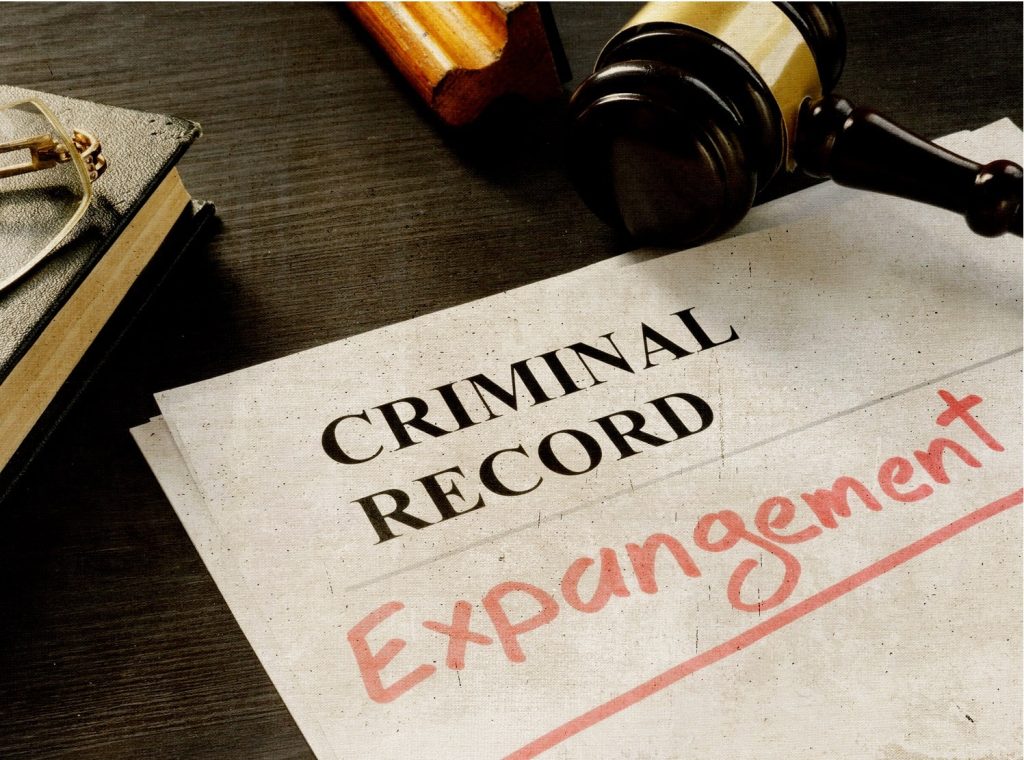
In some jurisdictions, you may be qualified to have your criminal record removed or cleared, depending on the severity of the offense and your behavior after sentencing. Your lawyer can advise you of your qualification for expungement.